For Emergencies 24/7, call 203-562-4020



Protect Your Pipes: RWA and PipeSafe℠ Provide Winter Home Plumbing Checklist
Dec 10, 2025NEW HAVEN, Conn. — Dec. 10, 2025 — As winter approaches and temperatures plunge, the Regional Water Authority (RWA) and its popular PipeSafe℠ protection plans are reminding residents that now is the time to take simple steps to protect pipes and plumbing from costly cold-weather damage.
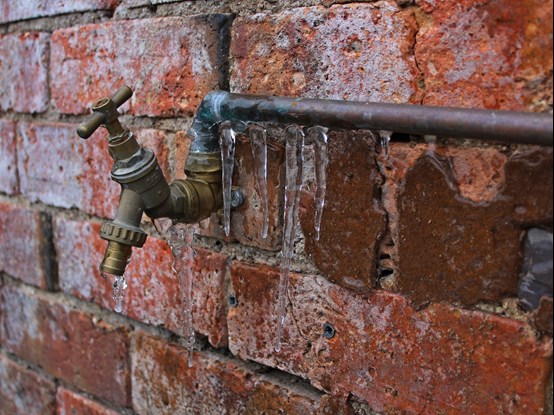
During extreme cold, water pipes can freeze and burst, resulting in damage and potentially costly repairs. Outdoor faucets, as well as pipes in unheated or exposed areas such as basements, attics and cabinets, are typically the most vulnerable to freezing.
You can prevent damage by taking the following steps before the cold weather arrives:
- Wrap exposed pipes with insulating material, especially if they’re in unheated areas or near exterior walls.
- Eliminate sources of cold air near water lines. Repair broken windows and fix drafty doors. Insulate walls and close off crawl spaces.
- Disconnect garden hoses and cut off water supply to outdoor faucets via indoor shutoff valves. If there are no indoor valves, you can protect external faucets with commercially available insulation kits (domes or caps).
- Ensure water meter vault covers are not cracked. If the meter is installed outside the home, it should be housed inside a covered vault. Check to ensure the vault cover is secure and protecting the meter from freezing.
- Keep your house heated to at least 55 degrees, even at night or when you’re away.
When extreme cold weather arrives, the steps below can provide additional protection:
- Open kitchen and bathroom cabinet doors to allow warm air to circulate around the plumbing. (Be sure to move harmful cleaners and household chemicals out of reach of kids and pets.)
- Let cold water drip from faucets served by exposed pipes. Even a trickle of water running through a pipe can help prevent freezing.
- Check regularly to make sure water is running in sinks and faucets. If the water stops running, it could be due to a frozen pipe. Also, look for puddled water or new stains on ceilings and walls that could indicate a leak.
If you suspect a frozen pipe, do the following:
- Turn on the faucet. If there is only a drip or trickle, or no water, you may have a frozen pipe.
- Visually inspect the pipe and supply line for signs of leakage or swelling.
- Locate your home’s main water shut-off valve and turn off the water supply. Open affected faucets to relieve pressure.
- Turn up the heat and expose frozen pipes to warm air by opening cabinets. You can also gently aim a blow drier at the affected area of pipe. Never use a torch or open flame to thaw a frozen pipe.
- If the pipe is burst, leaking or swollen, contact a licensed plumber to thaw it and make repairs.
Protect Your Underground Water Service Line: Frost heaves and ground movement during cold weather can damage underground pipes, including the water, sewer and septic lines. Homeowners are responsible for maintaining the water service line from their property to the curb valve—and most standard homeowner’s insurance policies don’t cover these potentially expensive repairs.
For pennies a day, PipeSafe℠, backed by the trusted name of the RWA, offers emergency protection for water service lines, with additional protection available for sewer and septic lines, as well as home plumbing. Customers can call 24/7 and receive priority service by qualified professionals.